The mechanical difference
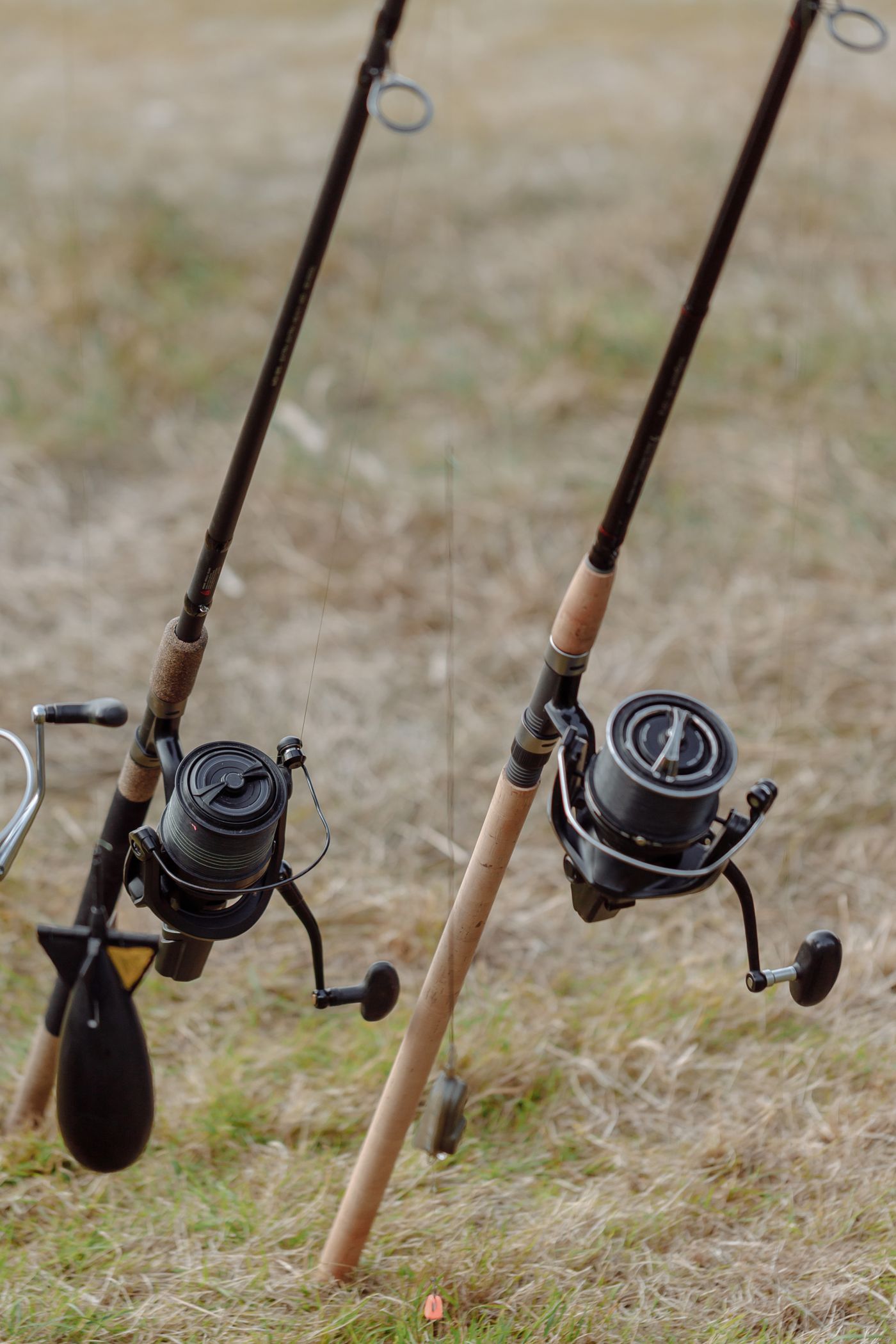
On a spinning reel, the spool stays fixed during the cast. Line peels off in loops after you open the bail and release it with a finger. The reel hangs below a spinning rod. A baitcaster sits on top of a casting rod, and its spool rotates as line leaves. The lure must pull line fast enough to keep pace with that rotating spool. Brakes and your thumb slow it near the end of the cast.
This explains much of the practical difference. Spinning is generally easier to learn with light lures. Baitcasting gives direct control over a heavier lure's flight and lets you stop a short cast precisely, but an overrun can bury loose coils in the spool. Neither system catches fish better by itself; the presentation and the angler's comfort decide.
Learning curve and line trouble
A new angler can usually make usable casts with a spinning reel after a short lesson. There is no rotating spool to brake, though line can twist if a lure spins, the reel is overfilled, or the bail is cranked closed against loose line. Closing the bail by hand and keeping line under light tension can help.
Baitcasting has more adjustments. Set spool tension and brakes for the lure weight, cast smoothly, and feather the spool with your thumb as the lure slows. The first few sessions are about controlling the cast, not maximum distance. An overrun is common during learning and is not proof that the reel is defective. Changing lure weight or casting into wind can require another brake adjustment.
| Decision point | Spinning | Baitcasting |
|---|---|---|
| First day casting | Faster to learn | More brake and thumb practice |
| Typical light lures | A natural starting choice | Usually needs specialized light-tackle gear |
| Short target casts | Capable with practice | Direct thumb control is a strength |
| Common tangle | Line twist and loops | Spool overrun or backlash |
Lure weight and line choice
An ordinary spinning setup is comfortable with small jigs, compact spinners, and other light presentations, provided the rod and line match. Baitcasting setups traditionally favor enough lure mass to start and manage spool rotation. Modern bait-finesse reels can cast much lighter lures, but they are specialized and may cost more than a simple spinning outfit.
Heavier line and larger lures do not automatically require a baitcaster. Spinning reels exist for surf, inshore saltwater, and other demanding uses. Likewise, a baitcaster can handle finesse work with the right spool, brakes, rod, and line. Compare actual line diameter, capacity, and lure rating instead of relying on a species label. Very light braid can dig into a baitcaster spool if loaded or used poorly; heavy, springy line can be awkward on a small spinning spool.
Accuracy, distance, and control
The baitcaster's thumb makes it easy to slow or stop a lure before it strikes a dock or overhang. This can be useful for repeated target casts around bass cover. Spinning can also be accurate, especially with a practiced angler; it often handles a light lure and a headwind with less adjustment. Longer casts depend on the full setup and casting skill, not merely reel type.
During retrieval, both systems can work fast or slow. Compare actual line pickup, drag behavior, and how the reel sits in your hand. Some anglers like palming a low-profile baitcaster for repeated single-hand casts. Others prefer the open line path and hand position of a spinning reel. Ergonomics matter during hundreds of casts.
Drag and fighting fish
Both reel types can have capable drag systems. The useful question is whether drag starts smoothly at the pressure your line, knot, and hook can tolerate. A high advertised maximum does not tell you how the reel behaves with a light leader. Spinning and baitcasting reels both need sensible drag settings and a rod with the right bend for the hook and line.
For heavy cover, some anglers choose stronger line and a powerful casting rod because the presentation calls for quick control. In open water with lighter line, a spinning outfit may be easier to manage. A fish does not care which reel sits on the rod; the complete system must let the hook hold while protecting the line.
Cost and maintenance
A reliable spinning setup can be assembled without a large budget. A low-cost baitcaster may be harder to learn if its braking and spool control are inconsistent, though price alone is not a performance guarantee. If you are curious about baitcasting, budget for practice line and time as well as the reel.
Keep either reel clean, avoid storing it under excessive drag pressure if the manufacturer advises against it, and follow the model's maintenance directions. Saltwater exposure changes the care routine. A protected reel is still vulnerable to sand and neglect. Repair parts and service availability may be more important over time than a feature that looks impressive on a product page.
A practical way to learn baitcasting
Start with a casting rod whose lure range includes a moderately weighted practice plug. Follow the reel's manual for spool tension and brake setup, then begin with more braking than an experienced caster might use. Make smooth, low-force casts in open space and stop the spool with your thumb before the plug lands. Increase distance only after the spool consistently stays under control. A headwind or very light lure is a harder lesson, not a suitable first test.
When a backlash occurs, resist pulling hard on the loose loops. Pick the crossing strands free gently; cutting line is sometimes unavoidable but should not be the routine solution. Check that line is wound with steady tension afterward. Spinning technique needs practice too—especially closing the bail by hand, controlling loose loops, and avoiding twist—but the initial cast is usually easier to repeat.
Choose by presentation, then by preference
For a light float rig or small soft plastic on a breezy bank, spinning often makes the casting job simpler. Repeated pitching to close targets can favor a baitcaster's thumb control. Trolling, surf casting, and saltwater jigging may involve spinning or conventional reels that do not fit a simple freshwater spinning-versus-baitcasting debate. Large fish alone do not decide the reel type.
If both systems can cast your chosen lure, consider the rod action, line behavior, drag, and how the outfit feels in hand. A reel that suits your casting rhythm and can be maintained well is more valuable than one selected because a technique is fashionable.
Three honest examples
For a beginner casting small spinners for trout at a pond, a light spinning rod and reel is the straightforward first comparison. For a bass angler repeatedly pitching a moderate or heavy jig beside cover, a casting outfit deserves a look because the thumb can stop each cast and the rod can be chosen for a firm single-hook set. For someone who alternates between these situations, owning one of each may eventually be useful, but a versatile spinning setup is a sensible place to learn.
If you already own a rod, identify its type before shopping. A spinning reel on a casting rod, or the reverse, compromises the guide layout and balance. Check the lure rating, line capacity, and exact reel size. The preferred reel follows the task and rod rather than a blanket rule about which technology is “better.”